
The Summer Solstice occupies a curious position within the seasonal calendar.
It is commonly understood as the beginning of summer, yet it also marks the moment when daylight reaches its greatest duration. There is a tendency to associate the solstice with arrival, as though something has reached its final expression. Looking more closely at the landscape, however, reveals a different story.
Much of what people associate with summer has not happened yet.
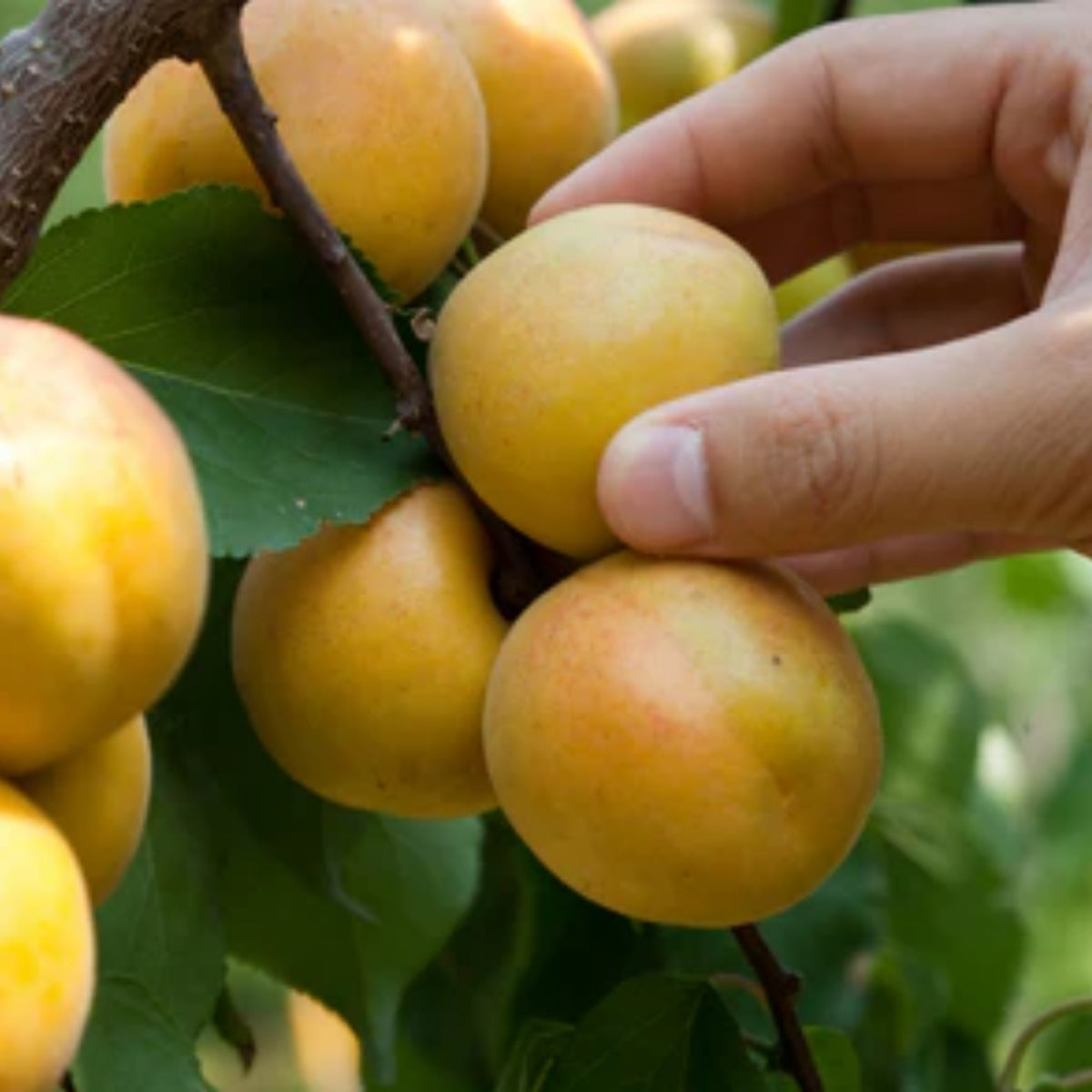
In many regions, tomatoes are still green on the vine. Stone fruits remain firm. Fields continue their growth. Gardens are established but far from finished. The abundance that defines late summer remains ahead.
The longest day arrives long before the harvest.
For centuries, societies have paid close attention to this moment. Long before modern calendars, people observed the changing duration of light because survival depended upon understanding seasonal rhythms. The solstice served as a marker within a much larger cycle, providing information about where a community stood in relation to planting, cultivation, and the work still to come.
The relationship between light and growth is obvious enough to observe, yet the relationship between timing and growth is often overlooked.
Agriculture offers countless examples. A tree does not produce fruit simply because sunlight increases. Growth depends upon a complex interaction between soil, temperature, moisture, pollination, and time. By the time a peach reaches maturity, an entire sequence of events has already occurred. What becomes visible in late summer is the result of processes that began months earlier.
The visible stage tends to attract attention.
The flowering tree receives admiration. The harvest receives celebration. The fruit displayed at market becomes the symbol of the season.
Much less attention is given to the conditions that made those outcomes possible.
The same pattern appears throughout human life.
Creative work rarely emerges fully formed. Ideas spend long periods developing beneath awareness before they become coherent enough to express. A project may appear to come together suddenly, though much of the work occurred during stages where little progress could be observed from the outside.
Knowledge develops similarly. So do relationships. Trust, judgment, and expertise all require time that cannot be compressed.
The Summer Solstice arrives at an interesting point within this process because it sits between what has already happened and what remains ahead.
Seeds have become plants.
The harvest remains in the future.
The conditions for abundance are present, though abundance itself has not fully arrived.
Perhaps this explains why the solstice has remained meaningful across generations. It creates an opportunity to recognize development while remaining aware that the cycle continues. The season has not reached completion. There is still growth ahead. There is still ripening ahead.
Within the work of Violet Flame, seasonality serves as a recurring reminder that timing matters.
Ingredients express themselves differently depending upon where they are grown, when they are harvested, and the environmental conditions that shape their development. A pistachio from volcanic soil carries the memory of its landscape. A tea leaf reflects climate, altitude, and cultivation practices. Flavor becomes a record of time and place.
Human experience is shaped by similar forces.
Development occurs gradually, often beneath the threshold of immediate awareness. The visible expression arrives later. By the time it appears, much of the essential work has already taken place.
The Summer Solstice offers a useful perspective on this reality.
The longest day is not the conclusion of a cycle. It exists within the cycle itself. Light reaches its fullest duration while the season continues unfolding around it.
The fields continue growing.
The fruit continues ripening.
The work continues.
Summer still lies ahead.
Katrina's Summer Solstice Sun Tea
As the Summer Solstice approaches, Katrina returns to one of her favorite seasonal traditions.
Fill a clear glass vessel with filtered water. Add four organic black tea bags, a generous handful of fresh mint, several slices of fresh ginger root, and one ripe peach, the kind that perfumes the kitchen before it is cut.
Place the jar in direct sunlight for six to eight hours and allow the day to do the work.
One of the pleasures of sun tea is returning to the jar throughout the afternoon. The light shifts. The color deepens from clear to amber. The mint softens. The peach releases its fragrance. The ginger leaves behind a quiet warmth.
By evening, something simple has become something extraordinary.
Remove the tea bags, refrigerate until chilled, and pour over ice.
There is something fitting about preparing sun tea on the longest day of the year. The peach does not rush to ripen. The garden continues changing day by day. The tea itself transforms gradually over the course of the afternoon, gathering warmth and flavor from the same sunlight nourishing everything outside the window.


Leave a comment
This site is protected by hCaptcha and the hCaptcha Privacy Policy and Terms of Service apply.