There is a quiet assumption that has settled into the world of chocolate.
The higher the cacao percentage, the better the chocolate.
It is an understandable conclusion. Packages display the percentage prominently, conversations often revolve around the number, and many of us have been taught to believe that moving from 60% to 70%, then to 85% or even 90%, is a journey toward something more refined.
Chocolate, however, has never been that simple.
Cacao percentage is one measurement among many. It tells us how much of the chocolate is composed of cacao solids and cocoa butter, leaving the remaining percentage for ingredients such as sugar and, in some recipes, milk. It offers useful information, yet it says remarkably little about the experience waiting inside the wrapper.
A percentage cannot reveal where the cacao was grown.
It cannot tell us how the soil shaped the beans, whether the trees were cultivated with care, how the harvest was fermented, or how the roasting was approached. It cannot describe the decisions that transformed a seed into chocolate.
Those are the choices that give chocolate its identity.
Chocolate begins long before the percentage is calculated.
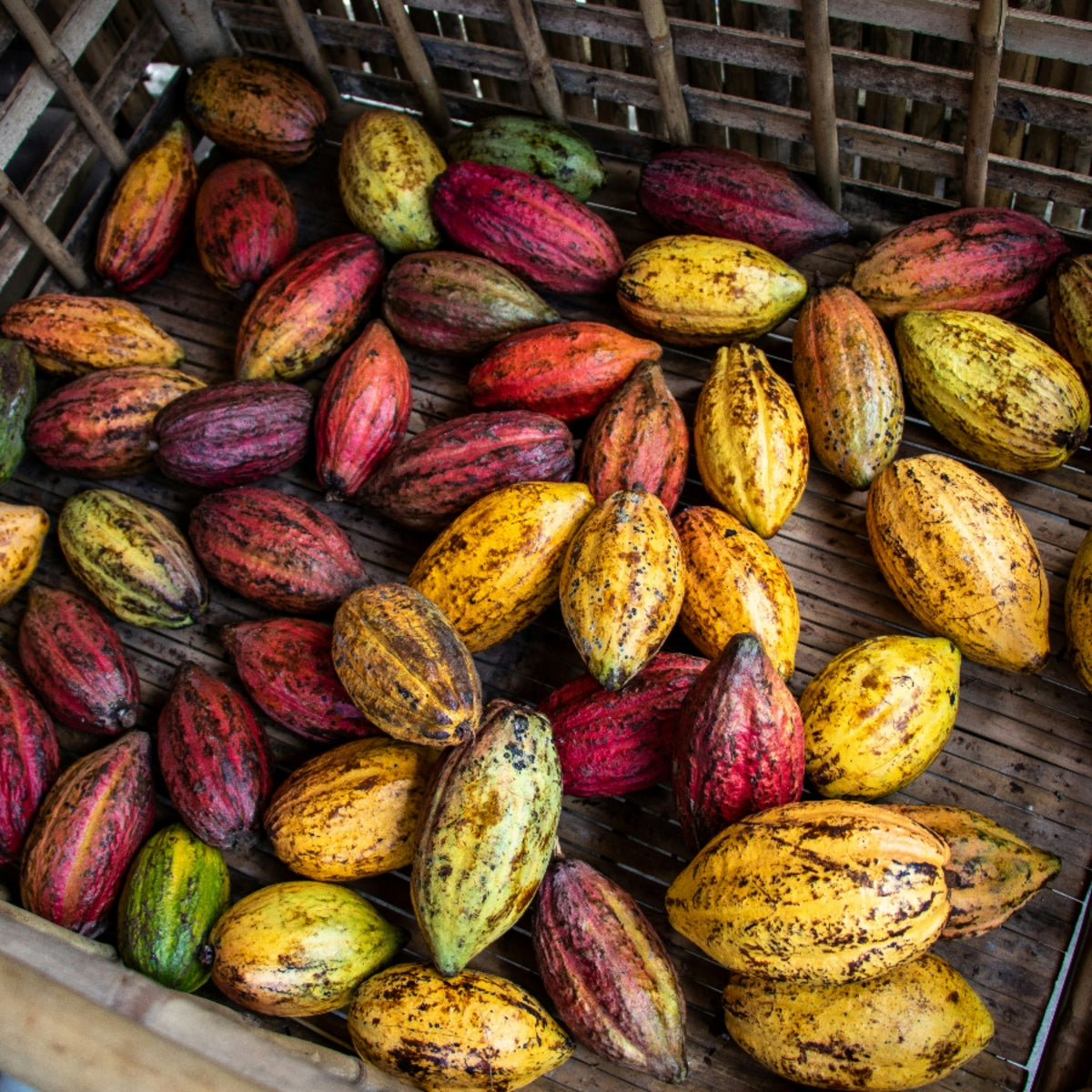
It begins beneath the canopy of a cacao tree, where rainfall, altitude, biodiversity, and healthy soil influence the character of every pod. It continues through fermentation, one of the most extraordinary transformations in the culinary world. During those days, the seeds begin developing many of the aromatic compounds that will eventually become part of the finished chocolate. Drying follows. Roasting follows. Every stage asks for judgment, patience, and restraint.
By the time a percentage appears on a package, hundreds of decisions have already shaped the chocolate in ways that no number can fully express.
This is why two chocolate bars bearing exactly the same percentage can feel entirely different.
One may open with aromas that recall jasmine, apricot, and honey. Another may evoke toasted grains, roasted nuts, or warm spices. Some reveal bright citrus, red berries, or tropical fruit. Others feel earthy, floral, or deeply mineral. These differences emerge because cacao is an agricultural ingredient. Like wine grapes, coffee, olives, and tea, it reflects the landscape in which it was grown and the people who guided it from harvest to finished product.
Percentage does not erase those differences.
Neither does it define them.
There is another misconception hidden within the conversation surrounding percentages. Many people believe that a higher percentage automatically produces a more sophisticated chocolate. Others assume lower percentages exist simply to make chocolate sweeter.
The truth is far more nuanced.
Every cacao has its own voice.
Some origins possess remarkable intensity and continue revealing new layers as the percentage rises. Others express themselves with greater openness when paired with a little more sweetness, allowing delicate floral aromas or vibrant fruit notes to emerge with greater clarity. The goal is never to force every cacao toward the highest possible percentage. The goal is to understand what allows that particular origin to speak most beautifully.
This philosophy guides every collection created at Violet Flame.
Rather than asking how high the percentage can climb, the more meaningful question becomes something entirely different.
What allows this cacao to become the fullest expression of itself?
Sometimes the answer is 72%.
Sometimes it is 68%.
Sometimes it is milk chocolate, where exceptional cacao finds harmony alongside beautifully sourced milk, creating an experience of remarkable depth and elegance.
The percentage has changed.
The pursuit has not.
Chocolate has always been more than a number printed on a wrapper. It is the culmination of geography, climate, biodiversity, cultivation, fermentation, roasting, intuition, and time. Every bar carries the imprint of the landscape from which it came and the countless hands that shaped its journey.
Perhaps that is why the most memorable chocolates are rarely remembered because of their percentage.
They are remembered because something about them lingers long after the final piece has disappeared.

Leave a comment
This site is protected by hCaptcha and the hCaptcha Privacy Policy and Terms of Service apply.